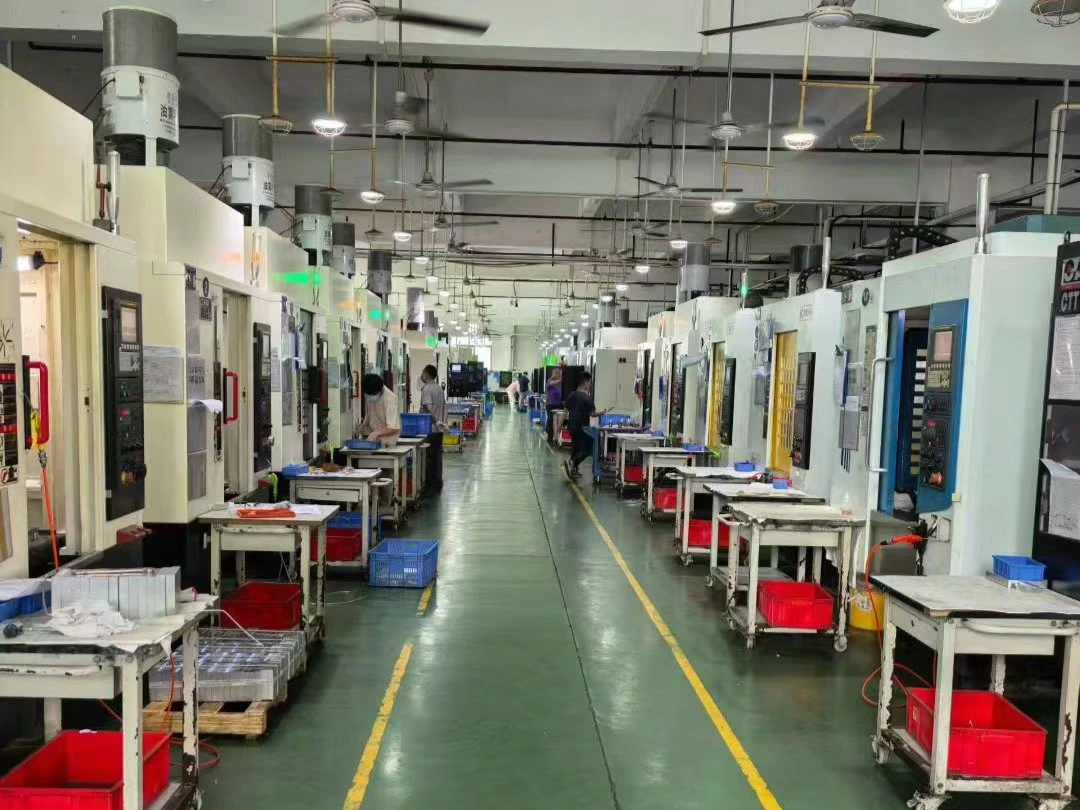
Rapid Prototyping Service
From Design to Part in 3 Days
As a professional injection molding service provider, we focus on rapid prototyping for injection molding projects, helping you skip the high-cost, time-consuming mold opening process in the early product development stage. Our rapid prototyping solutions deliver high-precision, durable prototypes that perfectly replicate the final injection-molded parts, enabling you to verify design feasibility, test product performance, and accelerate product launch efficiently.
Prototyping Technologies We Offer
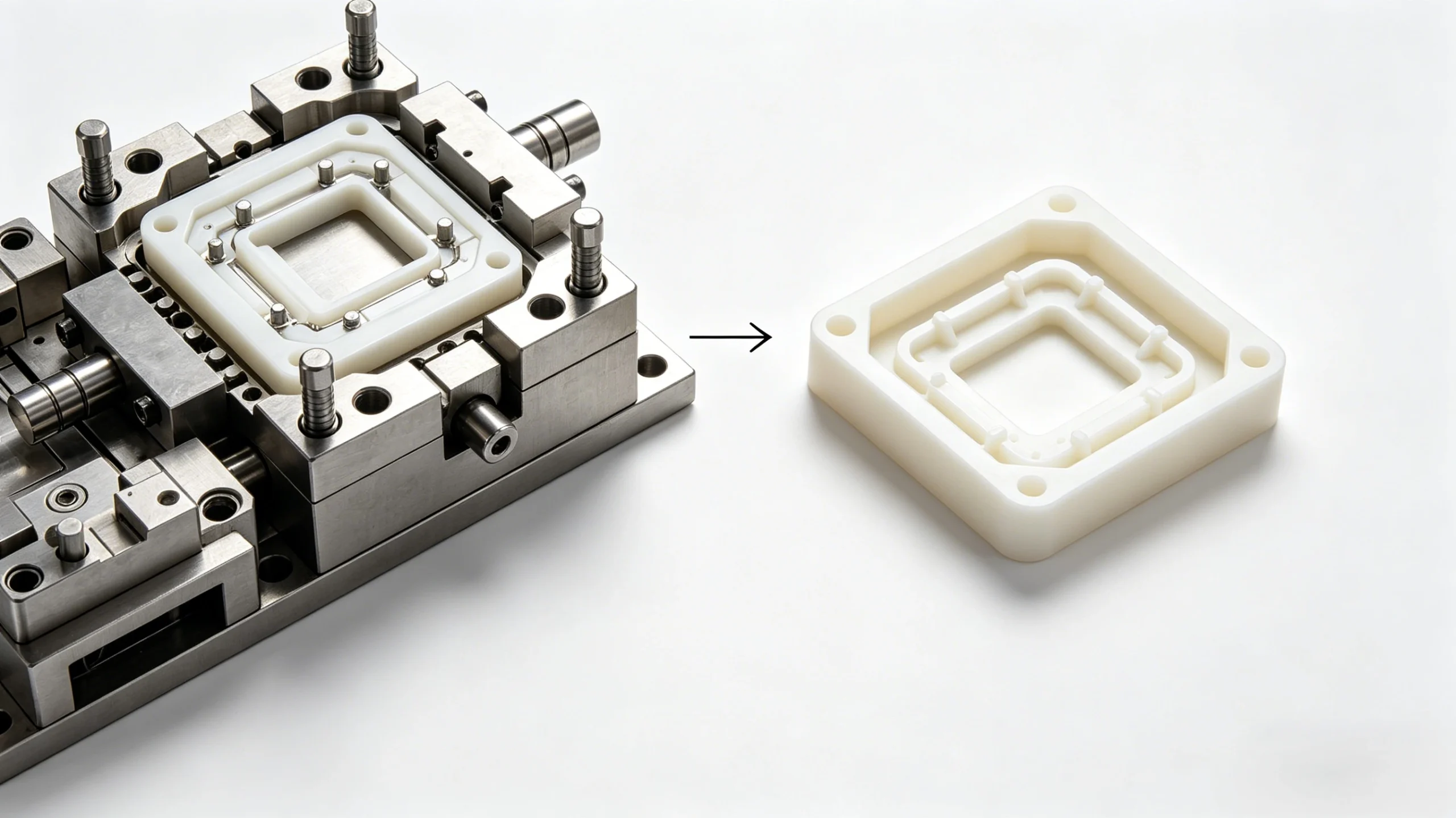
Rapid Prototyping
Complete prototypes within 1 week, significantly reduce development costs and shorten product iteration cycles.
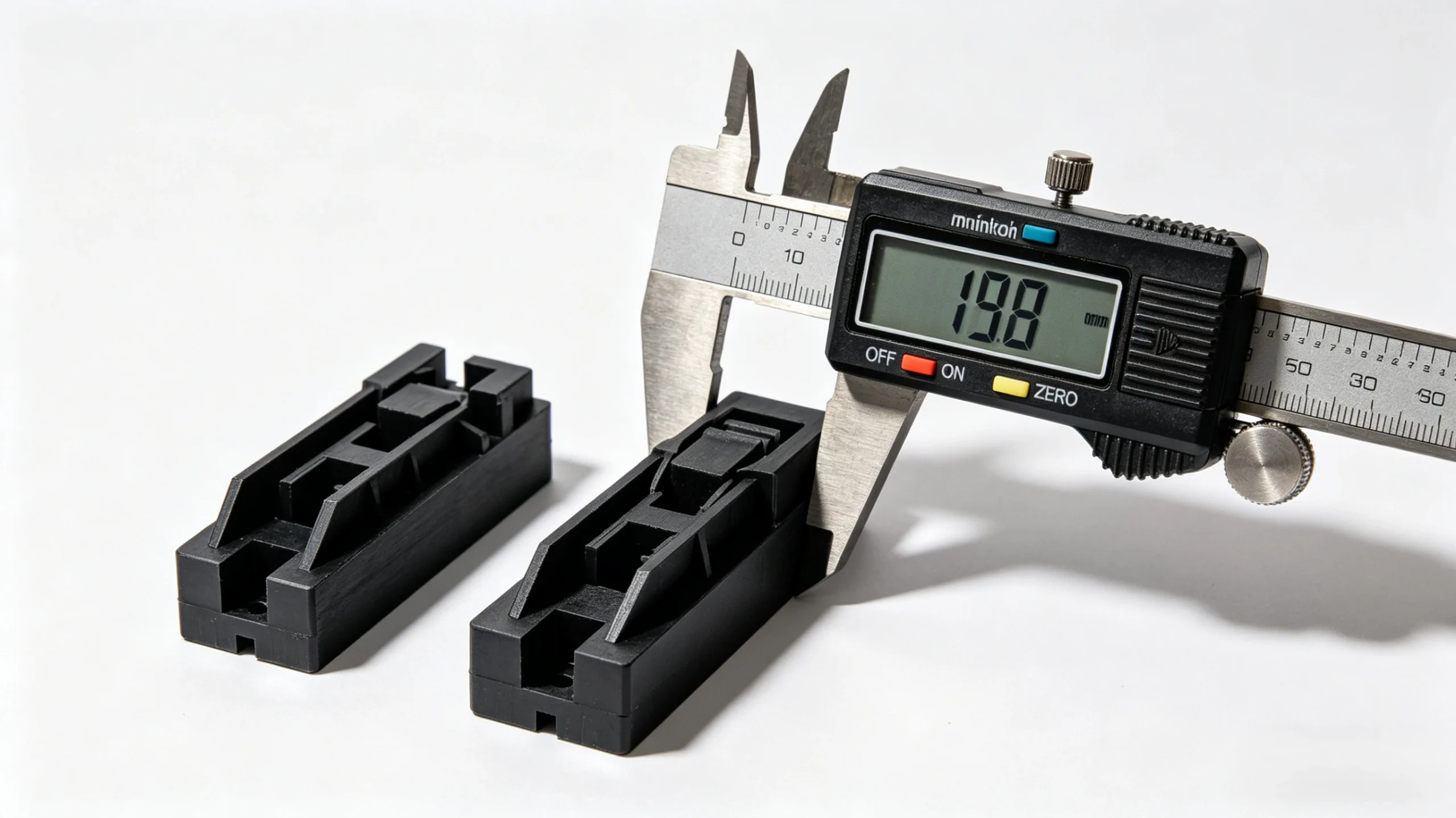
High-Precision Replication
Achieve tolerances of ±0.05mm, perfectly match the design dimensions of injection-molded parts, ensuring prototype consistency with final products.
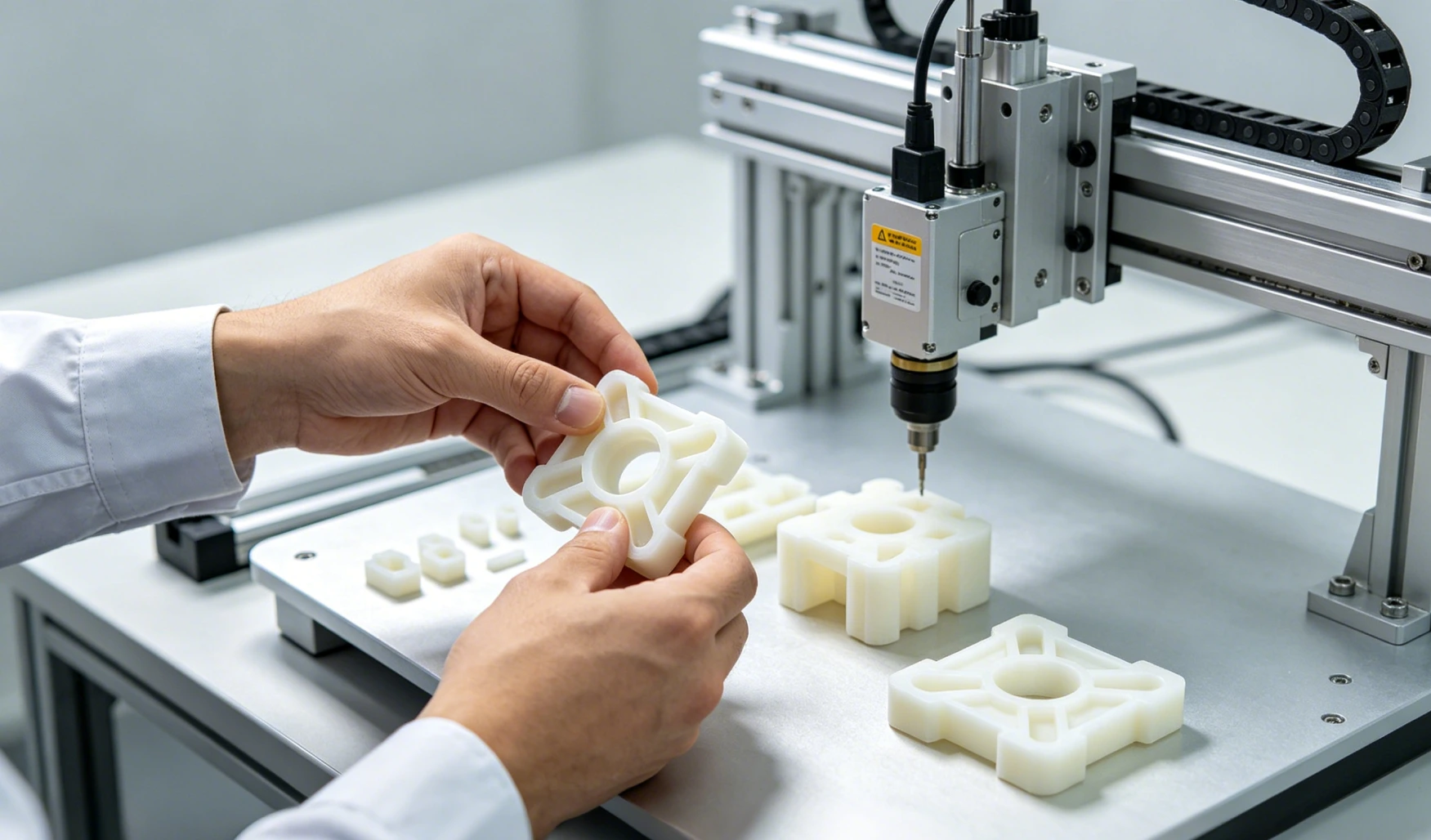
Prototype Functionality Testing
3D printed prototypes support assembly, structural strength, and appearance testing, helping you identify design flaws early before mold opening.
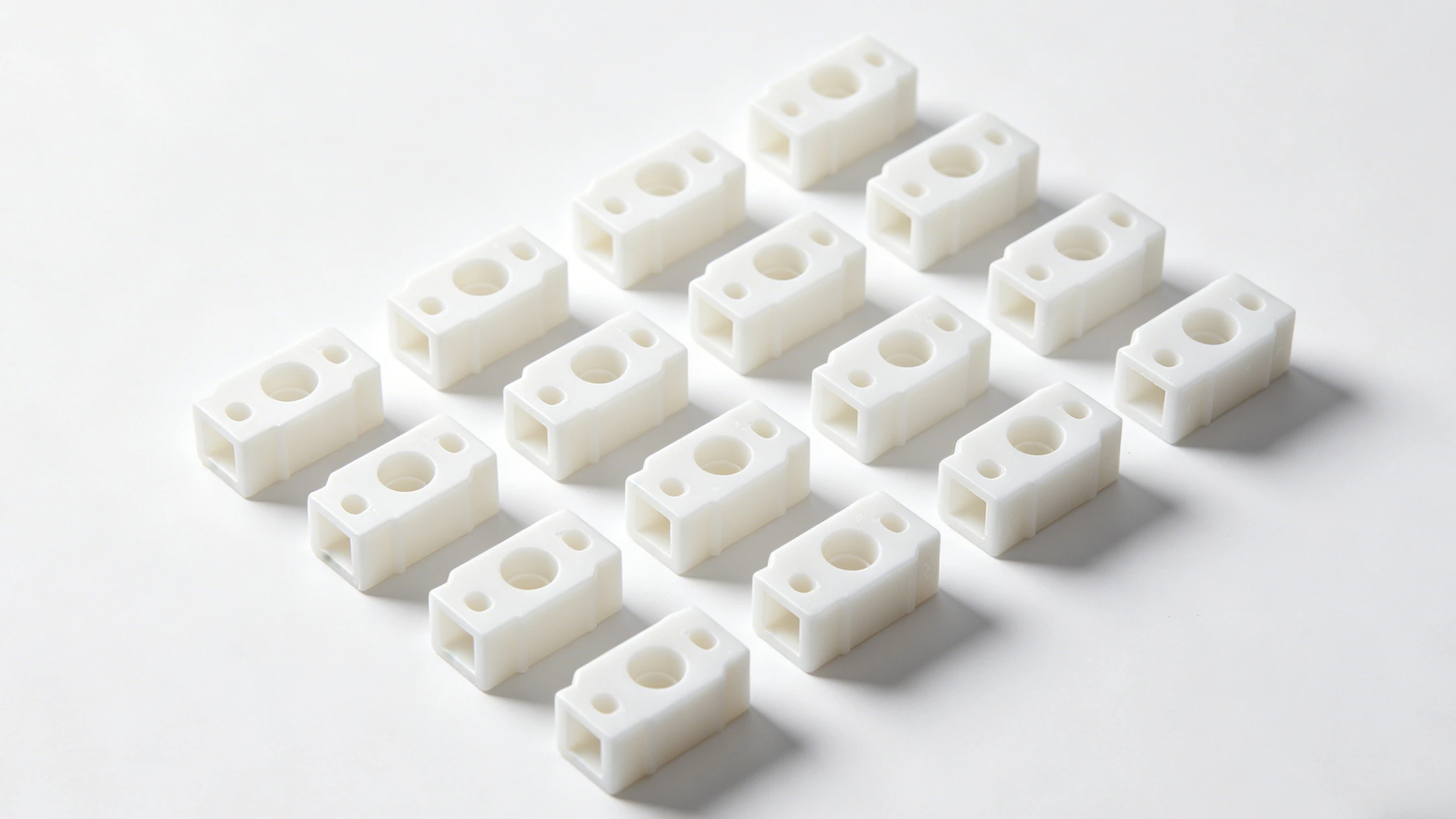
Small-Batch Prototype Production
Support low-volume prototype runs (1-100 pieces), suitable for market validation, sample presentation, and pre-production testing.
Prototyping Technologies Comparison
Every prototyping method offers distinct strengths and ideal use cases, tailored to meet diverse project and customer requirements.
Prototyping Technology | 3D Printing | CNC Machining | Vacuum Casting |
|---|---|---|---|
Mold Type Required | No mold needed | Silicone mold | No mold needed |
Typical Production Volume | 1–20 units | 10–300 units | 10–200 units |
Lead Time | 1–5 days | 8–12 days | 5–10 days |
Unit Cost | ★★★★ | ★★ | ★★★★★ |
Dimensional Accuracy | ★★★★ | ★★★ | ★★★★ |
Fast-Turnaround Projects | ✓ Rapid prototyping for urgent needs | ||
Low-Volume Production | ✓ Balances cost and lead time for small batches | ||
High-Precision Requirements | ✓ Delivers precision-grade results |
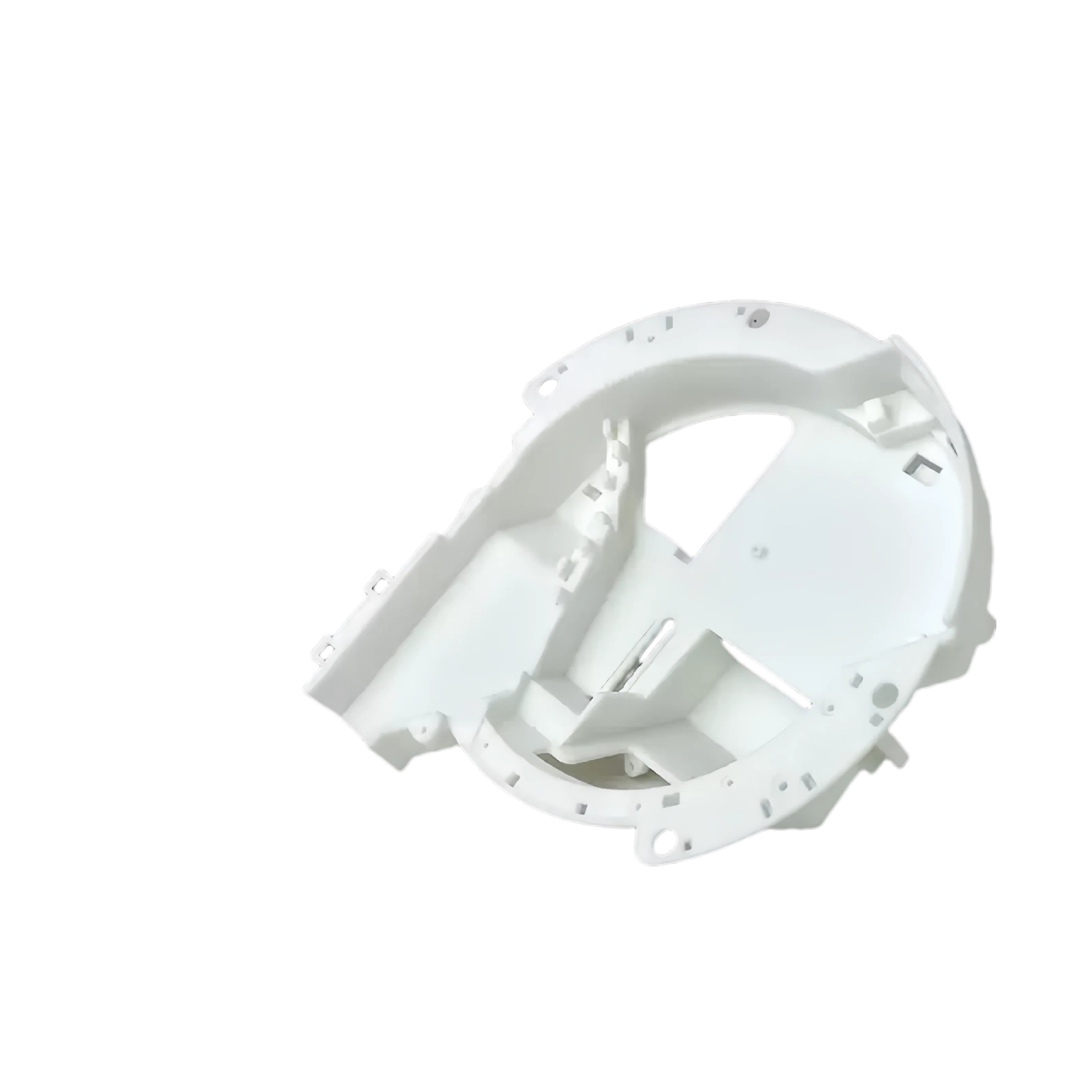
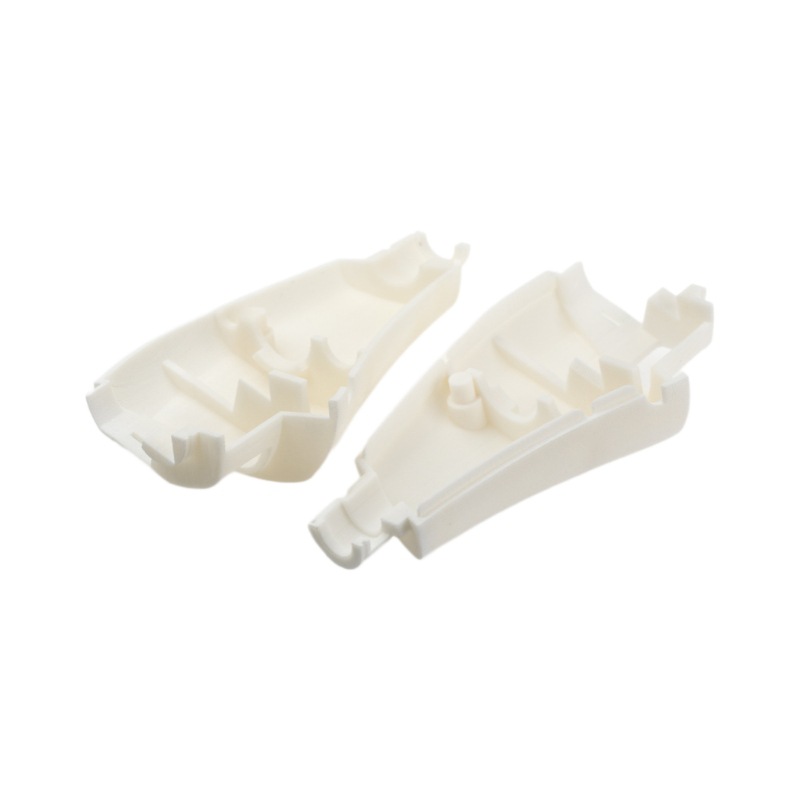
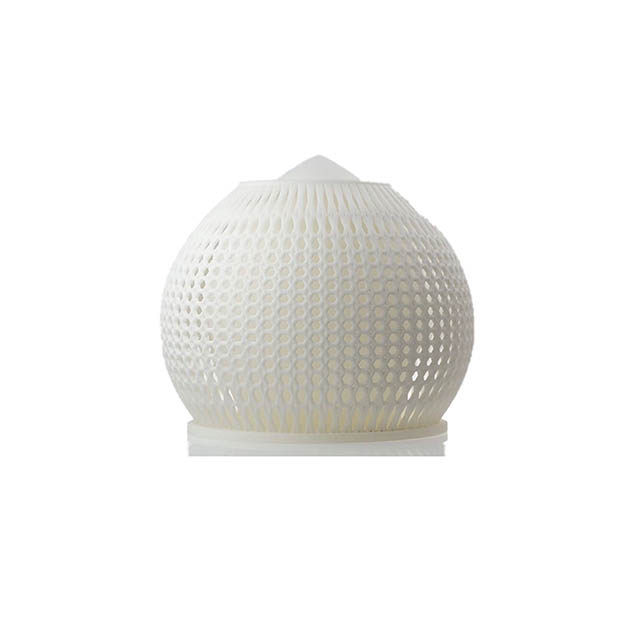
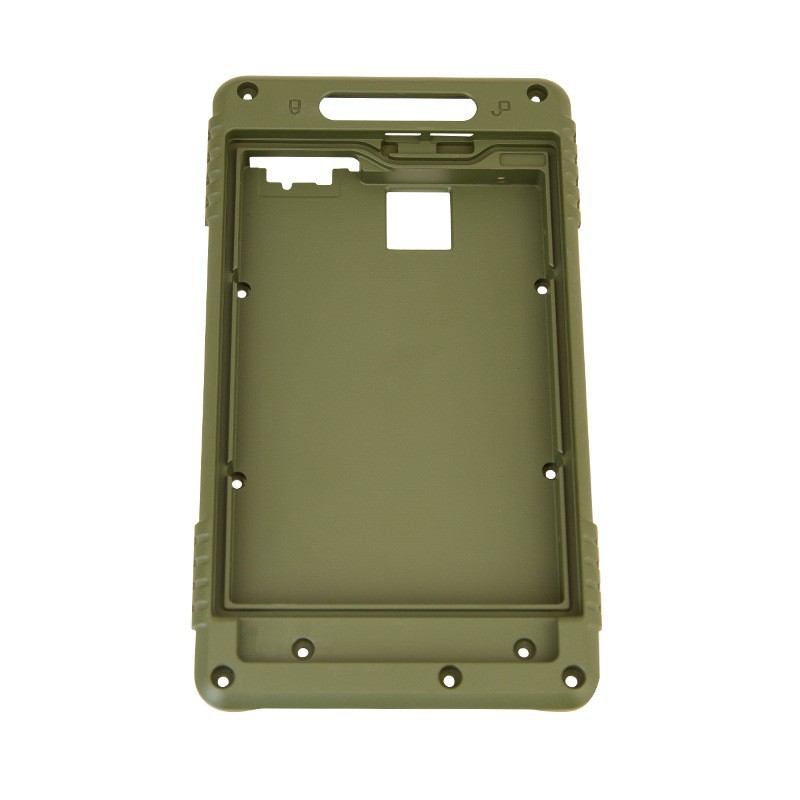
View our precision Prototype parts
Explore our photo gallery and see our team’s expertise and craftsmanship in producing high-quality, tight-tolerance metal and plastic parts.

Post-Processing & Surface Finishing Services
We provide comprehensive post-production finishing treatments to refine prototype appearances, boost durability, and match your brand’s visual standards for finished samples.